Ever wondered what happens when you block a number on your iPhone? It’s like putting up a digital “Do Not Disturb” sign, but with a bit more flair. Imagine you’re sipping your coffee, and that pesky number keeps interrupting your peace. One swift tap, and poof! That number is gone from your life, like a magician’s trick.
What It Means To Block A Number
Blocking a number on an iPhone prevents that specific phone number from contacting the user. Calls and text messages from the blocked number won’t come through, ensuring an uninterrupted experience. Rather than receiving unwanted interruptions, the user enjoys peace of mind.
When an individual blocks a number, the blocked caller won’t know their attempts to reach the user fail. They may still see their call or message attempts in their own call log or messaging app, but no notifications will reach the user’s iPhone. This effectively silences persistent spammers or unwanted contacts.
The process is reversible, as users can easily unblock numbers when necessary. Users can decide to resume communication without any additional steps. Blocking doesn’t affect the existing messages or call history from that number. Previous interactions remain visible but won’t generate new notifications.
When blocking a number, certain features remain intact. Users can still receive calls and messages from other numbers and contacts. Accessibility to emergency contacts or known individuals remains unaffected, preserving important communication channels.
In addition, users can customize their settings further. They may enable the “Do Not Disturb” mode alongside blocking for additional control. This option silences all incoming calls and notifications, allowing for focused time when needed.
Understanding the implications of blocking provides users power over their phone interactions. Blocking unwanted numbers creates a tailored communication experience, fostering a more manageable and enjoyable phone usage.
How To Block A Number On iPhone
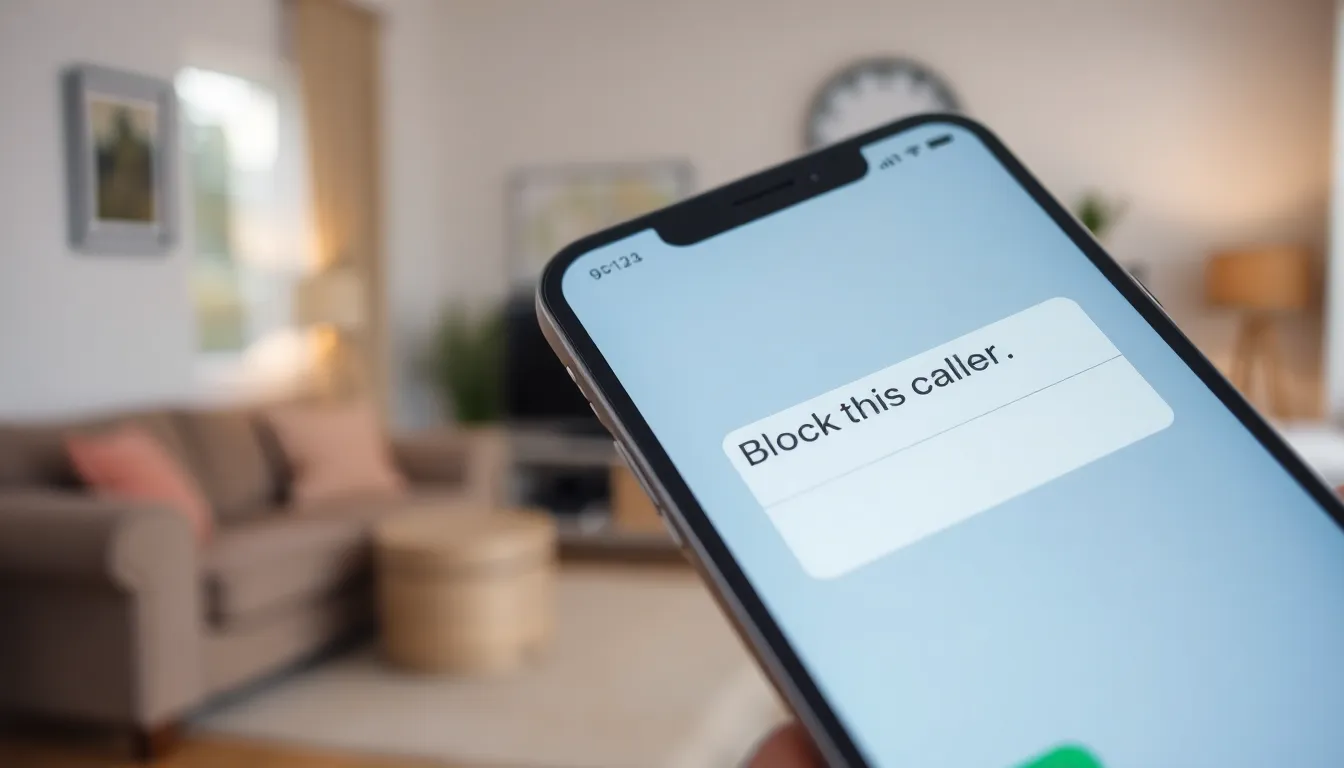
Blocking a number on an iPhone is straightforward. Users can follow simple steps to prevent unwanted communications.
Step-by-Step Instructions
- Open the Phone app.
- Tap on the “Recents” tab.
- Locate the number to block and tap the information icon (i).
- Scroll down and select “Block this Caller.”
- Confirm the action by tapping “Block Contact.”
These steps ensure the selected number can’t reach the user through calls or messages.
Alternative Methods
Blocking can also occur in the Messages app.
- Open the Messages app.
- Select the conversation with the unwanted contact.
- Tap the contact’s name or number at the top of the screen.
- Choose the information icon (i).
- Scroll down and select “Block this Caller.”
Additionally, users can block numbers through Settings.
- Go to “Settings.”
- Tap “Phone.”
- Select “Blocked Contacts.”
- Add a new number to the block list.
This flexibility allows users to manage unwanted calls and messages effectively.
What Happens After Blocking
Blocking a number on an iPhone impacts how different communications occur. Users experience a seamless reduction in unwanted disturbances.
Incoming Calls
Incoming calls from a blocked number won’t ring on the user’s device. Instead, these calls go directly to voicemail, preventing any interruptions. The caller doesn’t receive any notification indicating the block. They’ll see their call attempt in their logs, but no alerts notify them of the failed connection. Users retain peace of mind, knowing that unwanted callers can’t disrupt their daily activities.
Text Messages
Text messages sent from a blocked number fail to reach the user. Messages don’t appear in the user’s inbox, creating a clearer communication line. The blocked sender is unaware that their texts are undeliverable, as the messages seem to send successfully on their end. Consequently, users avoid potential spam or harassment while maintaining their texting experience with other contacts.
FaceTime Calls
FaceTime calls from a blocked number also cannot connect. Users won’t receive any incoming requests from the blocked contact. Like with phone calls, the blocked sender can still see their attempt in their call history. This action ensures that FaceTime interactions remain uninterrupted, enhancing overall user satisfaction while keeping unwanted communications at bay.
Can The Blocked Caller Know?
Blocked callers receive no notification about being blocked. They can still see their call and message attempts in their logs, but won’t know if those attempts reached the user.
Indications Of Being Blocked
Some signs may suggest a number is blocked. Call attempts will go directly to voicemail without ringing. Text messages might seem sent, but the sender won’t receive a delivery confirmation. FaceTime calls also won’t connect, leaving the caller unaware of their status. Despite these indications, the blocked caller will not receive any direct alert showing they’ve been blocked.
Privacy Considerations
Blocking offers clear privacy benefits. Calls and messages from blocked numbers are effectively silenced. Users retain the ability to manage their communication without the risk of unwanted interruptions. Previous interactions remain visible without generating new notifications. Such control fosters a secure and comfortable messaging environment, promoting peace of mind for individuals who value their privacy.
Blocking a number on an iPhone is a straightforward yet powerful tool for managing unwanted communications. It allows users to maintain their peace by silencing persistent callers without alerting them to the block. The flexibility to unblock numbers when needed ensures that users have complete control over their communication preferences. With the ability to customize settings further, individuals can create a more enjoyable phone experience. Overall, blocking numbers not only enhances privacy but also promotes a sense of security in managing personal interactions.