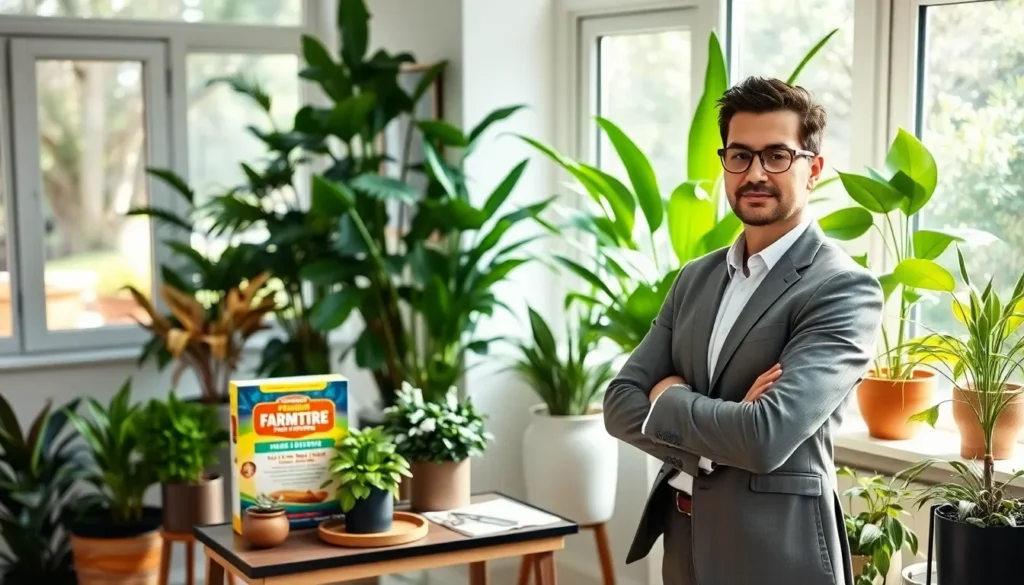
Let’s be honest, keeping house plants alive can be a challenge. One minute, they seem happy and healthy, and the next, they’re drooping like they just heard the news of the last ice cream cone being sold out. Fear not, dear plant parent. Understanding the best fertilizers for house plants can mean the difference between a lush jungle and a tragic plant graveyard. Stick around to discover the secrets of plant nutrition that will turn your home into a thriving oasis.
Understanding Plant Nutrition

House plants, much like humans, have basic needs when it comes to nutrients. If they’re going to flourish, it’s essential to understand what they require from their environment.
Essential Nutrients for House Plants
Plants primarily absorb nutrients through their roots, with water acting as the transport system. The two main categories of these nutrients are macronutrients and micronutrients.
The Role of Macronutrients
Macronutrients are the heavy hitters here: nitrogen, phosphorus, and potassium. Nitrogen is critical for leafy growth, phosphorus aids in root development and flowering, and potassium improves overall plant health and resistance to disease.
The Importance of Micronutrients
On the other side of the spectrum, we have micronutrients. Don’t underestimate them. Elements like iron, manganese, and zinc are needed in smaller amounts but are vital for processes such as photosynthesis and enzyme function. Without these micro-nutrients, even the hardiest plant might struggle to thrive.
Choosing the Right Fertilizer
Next comes the all-important task of choosing the right fertilizer. With so many options out there, how does one make a decision?
Types of Fertilizers Available
There are both organic and synthetic combinations of nutrients available on the market. Organic fertilizers are derived from natural sources and gradually release nutrients, while synthetic options give a quick nutrient boost. Each has its pros and cons, depending on the plant’s specific needs and how quickly results are desired.
Organic vs. Synthetic Fertilizers
When deciding between organic and synthetic fertilizers, consider your priorities. Organic products improve the soil’s health over time but might take longer to produce noticeable effects. Conversely, synthetic fertilizers can provide immediate results, but can sometimes lead to nutrient imbalances in the soil, not to mention a potential reliance on chemicals.
Slow-Release vs. Liquid Fertilizers
Plus, one must weigh between liquid fertilizers and slow-release variants. Liquid fertilizers are great for quick boosts but require more frequent applications. Slow-release fertilizers offer sustained nutrients over time, which can be beneficial for busy plant owners.
How to Apply Fertilizer Effectively
It’s not merely about having the right fertilizer: it’s also crucial to use it effectively. Timing and application methods can drastically influence results.
Timing Your Fertilization Schedule
When should fertilizer be applied? Generally, house plants benefit from fertilization during their active growing seasons, typically spring and summer. Apply fertilizer at intervals, as excessive feeding can lead to nutrient overload.
Application Methods and Techniques
Using the right application technique is vital. You can choose to sprinkle dry fertilizer on the soil surface or dilute liquid fertilizers in water. Always follow the instructions or dilutions specified on the label for best results.
Signs of Nutrient Deficiency or Toxicity
Even the best fertilizers can lead to issues if mismanaged. It’s essential for plant owners to learn how to identify signs of nutrient deficiency or toxicity.
Common Nutrient Deficiencies in House Plants
Yellowing leaves often indicate nitrogen deficiency, while brown leaf tips may signal a lack of potassium. On the other hand, if leaves appear unusually dark or the plant seems to grow too quickly, it might be a case of over-fertilization.
Recognizing Over-Fertilization Symptoms
Recognizing over-fertilization is key. Symptoms include slowed growth, leaf burn, or salt build-up in the soil. Keeping an eye out for these signs can help maintain optimal plant health.
Tips for Maintaining a Healthy Growing Environment
Healthy plants grow best in a well-maintained environment. Beyond fertilizer, other factors play a significant role in overall health.
Soil Quality and Drainage
First off, the quality of soil is imperative. Use a potting mix suited for your specific types of house plants to ensure proper drainage and aeration. Poor drainage can lead to root rot, so consider adding materials like perlite for better airflow.
Watering Practices and Their Impact
Watering practices also hugely impact plant health. The right balance is essential: over-watering is a common killer, while under-watering can stunt growth. Observe your plants and adjust your routine based on their specific needs.