Ever found yourself scrolling through your iPhone’s downloads and thinking, “What on Earth is all this?” It’s like a digital attic full of stuff you never wanted in the first place. Whether it’s that random PDF from last year’s conference or a meme you thought was hilarious at the time, clutter can sneak up on anyone.
But fear not! Deleting those downloads is easier than finding a Wi-Fi signal in a coffee shop. With just a few taps, you can reclaim precious storage space and restore order to your device. So, let’s dive into the simple steps that’ll have your iPhone feeling fresh and light again. After all, who needs digital baggage weighing them down?
Understanding Downloads on iPhone
Downloads on iPhone consist of various files that users acquire from the internet. Managing these files efficiently prevents storage issues and maintains a streamlined device.
Types of Downloads
Users typically encounter several types of downloads on their iPhones. Documents include PDFs and Word files, while media downloads comprise music, videos, and images. App data refers to files associated with installed applications. Browser downloads originate from internet browsing, including web pages and linked content. Each file type may require different methods for deletion.
Where Downloads Are Stored
Downloads on iPhone reside in multiple locations based on their type. The Files app serves as a primary storage hub for documents and media files. Photos and videos find their home in the Photos app. App-specific downloads may appear within the application’s own storage, while web browser downloads typically remain in Safari’s downloads folder. Navigating these locations is essential for efficient file management.
How to Delete Downloads from Safari
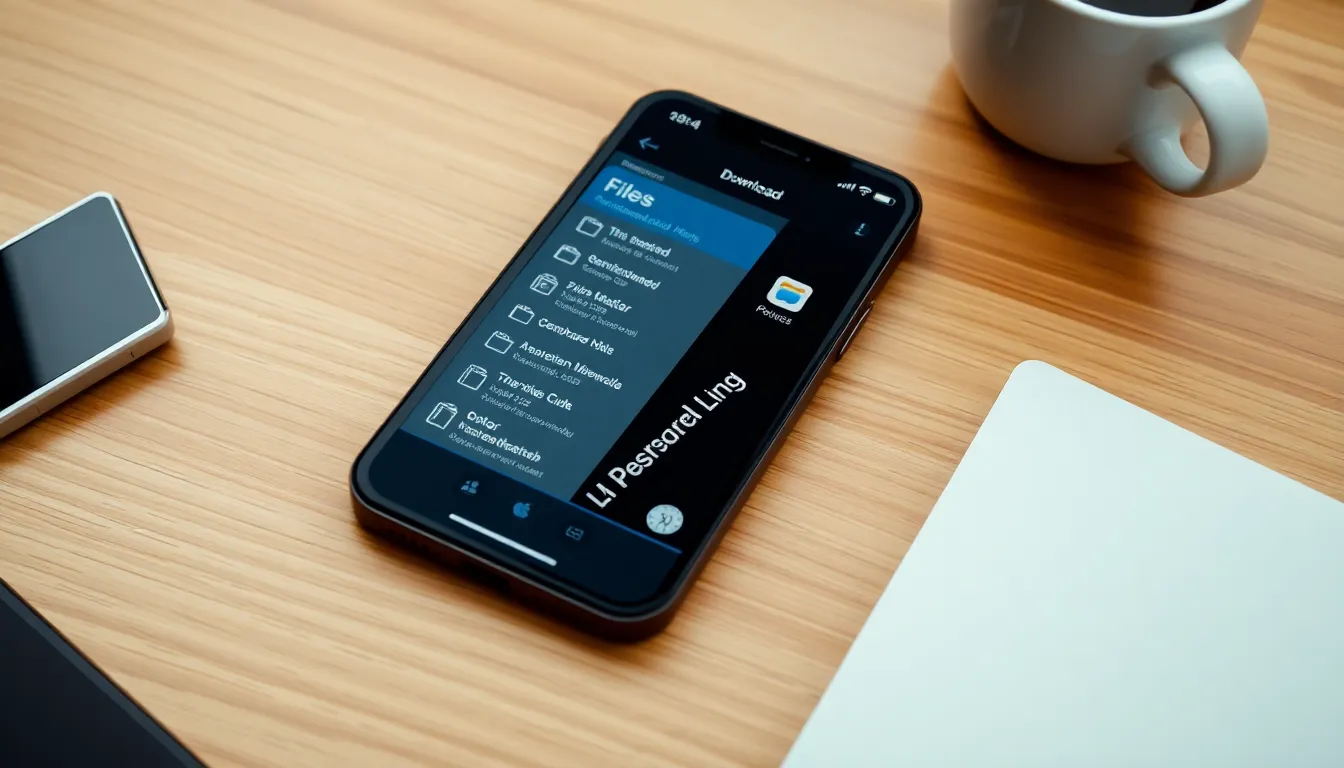
Deleting downloads from Safari helps maintain an organized iPhone and optimizes storage space. The process is straightforward.
Accessing Downloaded Files
Users can find downloaded files in the Files app. Navigate to the Files app, then tap on the “Browse” tab. Select “On My iPhone” and locate the “Downloads” folder. This folder contains all files downloaded through Safari. Users might also access downloads directly from within Safari by tapping the download icon in the address bar. Tapping this icon will provide a list of recent downloads, allowing users to quickly view stored items. Efficient management of these files starts by knowing where they’re stored.
Deleting from the Downloads Folder
To delete a file from the Downloads folder, open the folder in the Files app. Swipe left on the file name to reveal options. Selecting “Delete” removes the file permanently. Alternatively, users can tap “Select” in the upper right corner and choose multiple files to delete at once. This method facilitates quick bulk deletions for better organization. Upon confirming the deletion, files no longer occupy storage space, ensuring a clutter-free environment. Regularly performing this task helps maintain optimal device performance.
How to Delete Downloads from Third-Party Apps
Managing downloads from third-party apps on an iPhone keeps storage organized and optimizes performance. It helps to identify where the downloaded files are located within these applications.
Common Apps with Downloaded Content
Various apps allow users to download content, including media players, document editors, and messaging platforms. Popular apps like Dropbox, Google Drive, and Microsoft Word store important documents. Music and video streaming apps, such as Spotify and Netflix, might cache downloaded content to enable offline access. Social media apps, like Facebook and Instagram, also keep downloaded images and videos. Understanding which apps manage downloads aids in better file management.
Step-by-Step Deletion Process
To delete downloads from third-party apps, users can follow simple steps. First, open the relevant app, like Google Drive or Dropbox. Next, navigate to the specific folder or section where the downloaded files reside. Users now can select the files they want to delete, typically by tapping a delete or trash icon. App settings may also provide options for bulk deletion. Confirm the deletion to finalize the removal of unwanted downloads, ensuring a cleaner interface and more available storage.
How to Clear Storage by Deleting Downloads
Deleting downloads on an iPhone efficiently clears storage and enhances device performance. Users must understand the process to manage unwanted files effectively.
Managing Storage Settings
iPhone storage settings provide insights into file usage. Users can navigate to Settings, selecting General, then tapping on iPhone Storage. This section displays a breakdown of storage consumption by various apps. Deleting unused apps or large files becomes straightforward. Understanding which files consume the most space enables users to prioritize deletions.
Tips for Efficient Space Management
Regular maintenance optimizes storage space. Consider checking for large attachments in messaging apps frequently. Clearing browser caches can reclaim valuable space as well. Users should also explore cloud storage options, such as iCloud or Google Drive, to store files off-device. Finally, deleting downloaded movies or music after enjoying them prevents unnecessary storage clutter.
Deleting downloads on an iPhone is a simple yet effective way to manage storage and maintain an organized device. By understanding where downloads are stored and following straightforward steps for deletion, users can easily clear out unwanted files. Regularly managing these downloads not only optimizes storage but also enhances overall device performance.
Incorporating these practices into a routine will lead to a more efficient iPhone experience. With just a few taps, users can transform their digital space and ensure their device runs smoothly. Embracing these tips will help keep the iPhone clutter-free and ready for whatever comes next.