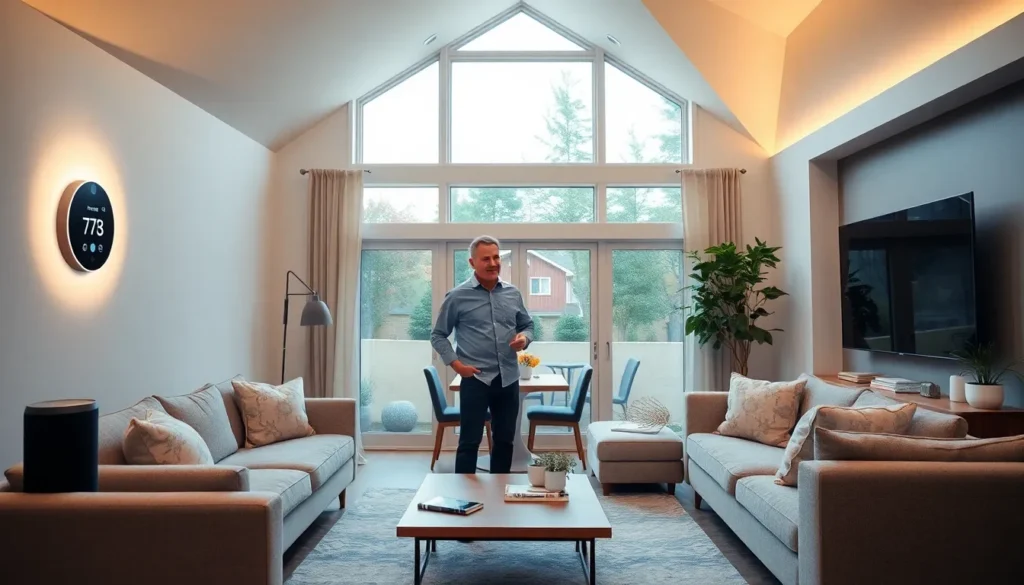
Imagine walking into your home and having it greet you like an old friend. The lights adjust to your favorite setting, the thermostat knows exactly how warm you like it, and your coffee machine starts brewing just as you kick off your shoes. Welcome to the world of whole home automation—a realm where technology meets convenience and your home becomes a smart sanctuary.
What Is Whole Home Automation?
Whole home automation creates a seamless experience throughout a living space, integrating various smart technologies to meet daily needs. This interconnected system adjusts elements like lighting and temperature based on individual preferences, ensuring optimal comfort.
Key Features of Whole Home Automation
- Smart Lighting: Control lighting remotely or set it to adjust based on time or activity.
- Climate Control: Thermostats learn occupant schedules to manage heating and cooling efficiently.
- Security Systems: Automated locks and cameras provide real-time monitoring and alerts.
- Voice Control: Integration with voice assistants allows for hands-free operation of devices.
- Energy Management: Smart plugs and appliances optimize energy use, reducing costs.
Benefits of Whole Home Automation
- Convenience: Automation streamlines daily tasks, making it easier to manage multiple devices from one app.
- Customization: Systems adapt to individual preferences, creating tailored experiences for residents.
- Increased Security: Real-time monitoring enhances home security, offering peace of mind.
- Energy Efficiency: Smart systems reduce energy consumption, lowering utility bills.
- Remote Access: Control home functions from anywhere using a smartphone or tablet.
Types of Whole Home Automation Systems
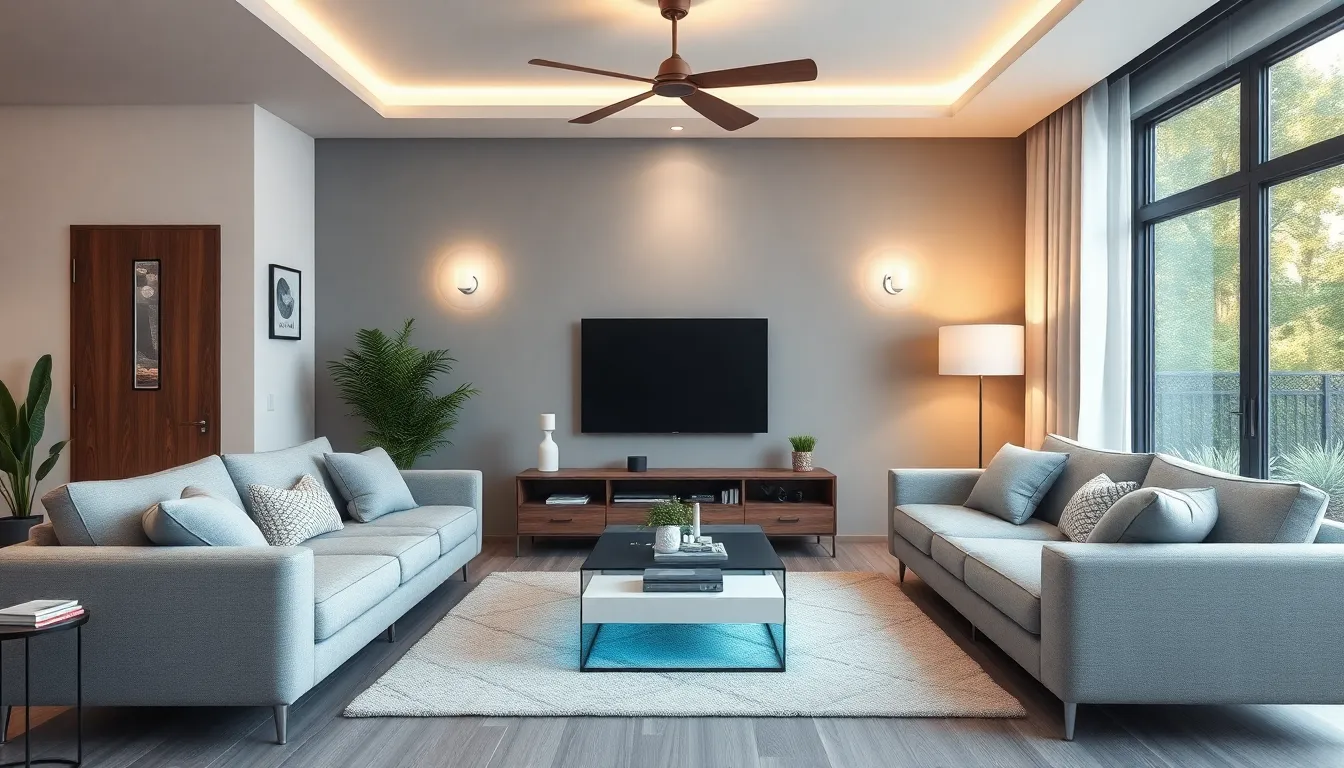
Whole home automation systems come in various formats, catering to different needs and preferences. Understanding these options helps homeowners choose the right solution for their living space.
Wired vs. Wireless Systems
Wired systems use physical cables to connect devices, providing a stable and reliable network. Homes with new construction often benefit from this setup, ensuring consistent performance. Wireless systems utilize Wi-Fi and cellular connections, allowing flexibility in placing devices throughout the home. Such systems are easier to install and modify, appealing to those who prioritize convenience. Performance can vary, especially in larger homes, where Wi-Fi signals may weaken. Choose based on preferences for stability or convenience.
Smart Hub Options
Smart hubs serve as the central control unit for whole home automation. Some popular options include Samsung SmartThings, Amazon Echo, and Google Nest Hub. Each of these hubs connects various smart devices, allowing users to manage settings seamlessly. Compatibility with multiple brands enhances user experience and fosters integration. Features such as voice control simplify operation, enabling hands-free adjustments. Selecting the right hub involves considering support for desired devices and ease of use for household members.
Popular Devices in Whole Home Automation
A variety of devices enhance whole home automation, delivering convenience and efficiency. These devices facilitate seamless integration throughout living spaces.
Smart Lighting Solutions
Smart lighting solutions allow users to control lighting through apps or voice commands. Energy-efficient bulbs reduce electricity consumption while providing customizable brightness and color settings. Notable products include Philips Hue, LIFX, and Wyze Bulbs. These options create dynamic atmospheres, adjusting to activities like reading, entertaining, or relaxing. Scheduling capabilities enable automated lighting, enhancing security by simulating occupancy. Furthermore, integration with smart hubs makes it easy to coordinate lighting with other home automation systems.
Smart Thermostats
Smart thermostats optimize energy use, achieving comfort while reducing utility bills. Models like Nest Learning Thermostat and Ecobee SmartThermostat analyze user behavior to adjust temperatures automatically. Remote access through smartphones allows for adjustments on-the-go, ensuring homes remain comfortable and energy-efficient. Some systems offer geofencing, changing settings based on user location. Additional features, such as alerts for unusual temperature changes, enhance home safety. Compatibility with HVAC systems aids in seamless integration, providing a comprehensive climate control solution.
Security Systems and Cameras
Security systems and cameras provide peace of mind by monitoring homes in real-time. Popular products include Ring, Arlo, and Nest Cameras, which offer high-definition video and two-way audio capabilities. Motion detection and alert features keep homeowners informed of unusual activity. Integration with smart lighting can deter intruders by triggering lights during suspicious events. Additionally, cloud storage options facilitate easy access to recorded footage. Remote access to security systems allows homeowners to monitor their property from anywhere, enhancing overall safety.
How to Choose the Right Whole Home Automation System
Selecting a whole home automation system requires careful consideration of various factors. Prioritizing needs facilitates finding the suitable solution for a homeowner’s lifestyle.
Assessing Your Needs
Identify specific requirements before making a decision. Some homeowners prioritize energy efficiency, while others focus on security features. Consider current lifestyle habits, such as remote working or frequent travel. Establishing a list of must-have functionalities ensures alignment with daily routines. Evaluate whether voice control, smart lighting, or climate control systems take precedence in decision-making. Analyzing the family’s preferences helps narrow options effectively.
Compatibility with Existing Devices
Evaluating device compatibility is crucial for smooth integration. Many homeowners already own smart devices that can enhance an automation system. Check for compatibility between new systems and existing devices to avoid future issues. Popular platforms often support multiple brands, streamlining the process. Read product specifications for compatibility details before purchasing. Ensuring seamless interaction between devices saves time and maximizes efficiency.
Whole home automation transforms everyday living into a more streamlined and enjoyable experience. By integrating smart technologies, homeowners can achieve a level of convenience and efficiency that adapts to their lifestyle. The right system not only enhances comfort but also boosts security and energy savings.
As technology continues to evolve, the options for home automation will only expand. Homeowners should stay informed about new devices and systems to ensure their homes remain up-to-date and fully optimized. Embracing whole home automation can lead to a smarter home that truly caters to individual needs.