Table of Contents
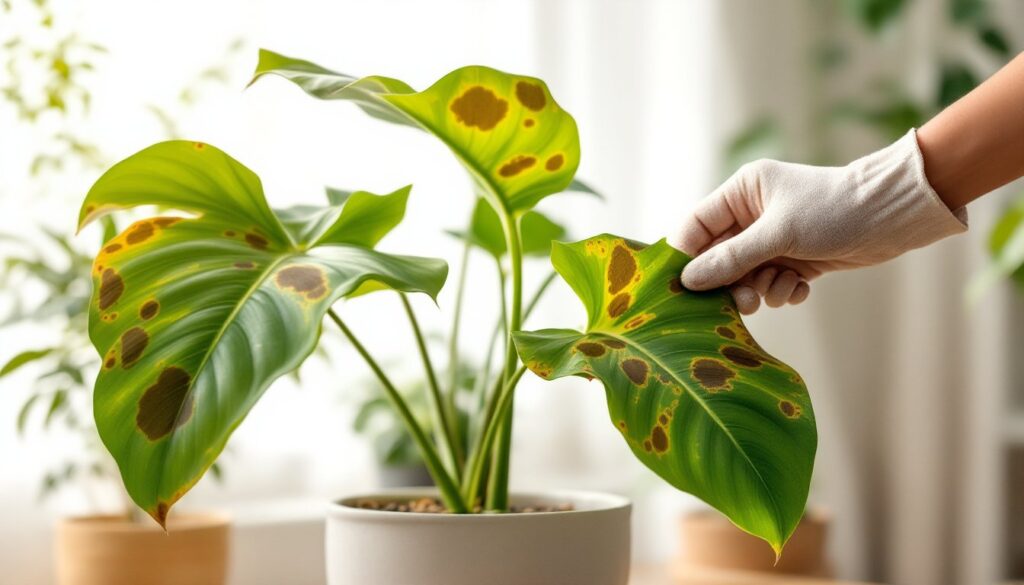
ToggleBrown spots on indoor plant leaves are more than just an eyesore, they’re a distress signal. Whether you’re dealing with crispy edges, mushy blotches, or scattered speckling, those marks tell a story about what’s going wrong with your watering routine, environment, or plant health. The good news? Most causes are fixable once you know what you’re looking at. This guide walks through the common culprits behind brown spots, how to diagnose the issue in your own home, and the practical fixes that actually work.
Key Takeaways
- Brown spots on indoor plant leaves signal stress from watering issues, environmental problems, or disease—and most causes are fixable once diagnosed correctly.
- Overwatering is the most common culprit behind brown spots; check soil moisture before watering by inserting your finger two inches down to prevent root rot.
- Fungal and bacterial diseases thrive in humid, poorly ventilated environments and spread via water splash, making proper air circulation and base watering essential prevention methods.
- Diagnose brown spots by examining their appearance: dry and crispy indicate low humidity or underwatering, while soft and mushy spots suggest overwatering or infection.
- Prevention beats treatment—use well-draining soil, match watering to each plant’s species needs, maintain 50–60% humidity, and quarantine new plants to keep your indoor collection healthy.
- Water quality matters: tap water high in chlorine and fluoride can cause tip burn on sensitive plants, so let tap water sit 24 hours or switch to filtered water.
What Causes Brown Spots on Indoor Plant Leaves?
Brown spots rarely appear out of nowhere. They’re the plant’s response to stress, environmental, biological, or cultural. Understanding the root cause is the first step to reversing the damage.
Watering Issues: Overwatering vs. Underwatering
Overwatering is the most common killer of houseplants, and brown spots are one of its calling cards. When roots sit in waterlogged soil, they suffocate and rot. The plant can’t absorb nutrients properly, and brown or black spots appear on leaves, often soft, mushy, and surrounded by a yellow halo. You might also notice a musty smell from the soil or see algae forming on the surface.
Check the soil moisture before watering. Stick your finger about two inches down: if it’s still damp, hold off. Bottom-watering can help prevent overwatering by allowing the plant to take up only what it needs.
Underwatering creates a different symptom profile. Brown spots from lack of water are usually dry and crispy, starting at the leaf tips or edges and spreading inward. The soil will be bone dry, and the plant may wilt or droop. This is especially common with tropical varieties that prefer consistent moisture.
To fix underwatering, rehydrate gradually. If the soil has become hydrophobic (water runs right through), soak the entire pot in a basin of water for 10–15 minutes to allow the root ball to absorb moisture evenly.
Fungal and Bacterial Diseases
When brown spots show up with other red flags, fuzzy growth, concentric rings, yellowing halos, or a slimy texture, you’re likely dealing with a pathogen.
Fungal infections like leaf spot diseases thrive in humid, poorly ventilated environments. Spots may start small and circular, then expand and merge. Common fungi include Alternaria, Cercospora, and Colletotrichum. These spread via water splash, so overhead watering or misting can make things worse.
Bacterial leaf spot (often caused by Pseudomonas or Xanthomonas) creates water-soaked lesions that turn brown or black. The margins may look greasy or translucent. Bacterial issues spread fast and are harder to treat than fungal ones.
Both types of infection require isolation of the affected plant, removal of diseased foliage, and adjustments to watering and airflow. Fungicides or bactericides may help, but prevention is far more effective than treatment.
How to Diagnose the Problem
Diagnosing brown spots is part detective work, part observation. Start by examining the spots themselves and the plant’s environment.
Look at the spot characteristics:
- Dry and crispy: Usually low humidity, underwatering, or sunburn.
- Soft and mushy: Overwatering or bacterial infection.
- Circular with rings or halos: Fungal disease.
- Only on leaf tips or edges: Salt buildup, fluoride toxicity (common with tap water), or inconsistent watering.
- Random speckling: Pest damage or spray burn from cleaning products.
Check the soil and roots. Pull the plant from its pot if possible. Healthy roots are white or light tan and firm. Brown, black, or mushy roots mean root rot from overwatering. If the soil smells sour or stays wet for days after watering, drainage is the issue.
Evaluate environmental factors. Is the plant near a heating vent, air conditioner, or drafty window? Sudden temperature swings stress plants and can cause browning. Low humidity (below 40%) is rough on moisture-loving species like calatheas, ferns, and prayer plants.
Inspect for pests. Spider mites, thrips, and scale insects can cause stippling or brown patches. Check the undersides of leaves and stems with a magnifying glass if needed. Pests often leave behind webbing, sticky residue, or tiny moving dots.
Water quality matters. Tap water high in chlorine, fluoride, or salts can cause tip burn and brown edges, especially on sensitive plants like dracaenas and spider plants. Let tap water sit out for 24 hours before using, or switch to filtered or distilled water.
Once you’ve narrowed down the likely cause, you can move to targeted treatment.
Treatment Solutions for Brown Spots
Treatment depends entirely on the diagnosis. Here’s how to address the most common culprits.
For overwatering and root rot:
- Stop watering immediately and let the soil dry out.
- Remove the plant from its pot and inspect the roots.
- Trim away any brown, mushy, or foul-smelling roots with clean pruning shears.
- Repot in fresh, well-draining potting mix. Add perlite or coarse sand if drainage is poor.
- Water only when the top two inches of soil are dry.
For underwatering:
- Gradually rehydrate the soil. Avoid flooding the plant all at once.
- Adjust your watering schedule to match the plant’s needs and your home’s humidity.
- Trim off any fully brown, crispy leaves, they won’t recover.
For fungal infections:
- Isolate the plant to prevent spores from spreading.
- Remove all affected leaves and dispose of them (not in compost).
- Improve air circulation with a small fan or by spacing plants farther apart.
- Apply a fungicide labeled for houseplants (copper-based or sulfur sprays work well). Follow label instructions carefully.
- Water at the base of the plant, not from above.
For bacterial infections:
- Remove diseased foliage immediately.
- Disinfect pruning tools with rubbing alcohol or a 10% bleach solution between cuts.
- Reduce humidity and avoid misting.
- There are few effective bactericides for home use: prevention and sanitation are key.
For pests:
- Spray the plant with insecticidal soap or neem oil, covering all leaf surfaces.
- Repeat treatment every 5–7 days for at least three weeks to break the pest life cycle.
- Wipe leaves with a damp cloth to remove pests and eggs.
For chemical or water quality issues:
- Flush the soil with distilled or filtered water to remove salt buildup.
- Switch to non-fluoridated water for sensitive species.
- Avoid using leaf shine products or harsh cleaners near plants.
Always wear gloves when handling diseased plants or applying treatments. Wash your hands and tools afterward to prevent cross-contamination.
Preventing Brown Spots on Your Houseplants
Prevention beats treatment every time. A few proactive habits will keep your plants healthier and reduce the chances of brown spots reappearing.
Water correctly for each plant. Research the specific needs of your species. Succulents and cacti need to dry out completely between waterings, while ferns and low-light varieties prefer consistent moisture. Use pots with drainage holes, always.
Improve drainage and soil quality. Standard potting mix works for most plants, but add perlite, orchid bark, or coarse sand for species that need faster drainage (like succulents, hoyas, and aroids). Heavy, compacted soil leads to root rot.
Monitor humidity levels. Most tropical houseplants thrive in 50–60% relative humidity. If your home is dry (especially in winter), use a humidifier, group plants together, or place pots on pebble trays filled with water. Avoid misting, it doesn’t raise humidity much and can promote fungal growth.
Provide proper light. Too much direct sun can scorch leaves, causing brown patches or bleached spots. Too little light weakens plants and makes them more susceptible to disease. Match light levels to your plant’s natural habitat. South-facing windows offer the brightest light: north-facing windows are best for shade-lovers.
Keep tools and pots clean. Sterilize pruning shears, pots, and saucers between uses, especially if you’ve dealt with disease. Pathogens can linger on surfaces.
Fertilize appropriately. Over-fertilizing causes salt buildup, leading to brown leaf tips. Under-fertilizing weakens plants and makes them vulnerable to stress. Use a balanced, water-soluble fertilizer at half strength during the growing season (spring and summer). Flush the soil every few months to prevent salt accumulation.
Inspect new plants before bringing them home. Quarantine new additions for at least two weeks to catch any pests or diseases before they spread to your collection.
Rotate plants regularly. This promotes even growth and ensures all sides get adequate light, reducing stress and weak spots where disease can take hold.
Consistent care tailored to each plant’s needs is the best defense. When treating brown spots on plant leaves, early intervention makes all the difference. For a deeper jump into identifying and solving leaf issues, experts emphasize prevention through proper watering and environmental control.
Conclusion
Brown spots don’t have to mean the end of your plant. With the right diagnosis and a few targeted fixes, most plants bounce back. Focus on consistent watering, good drainage, and matching care to each species’ needs. Catch problems early, and your indoor jungle will stay lush and spot-free.