Table of Contents
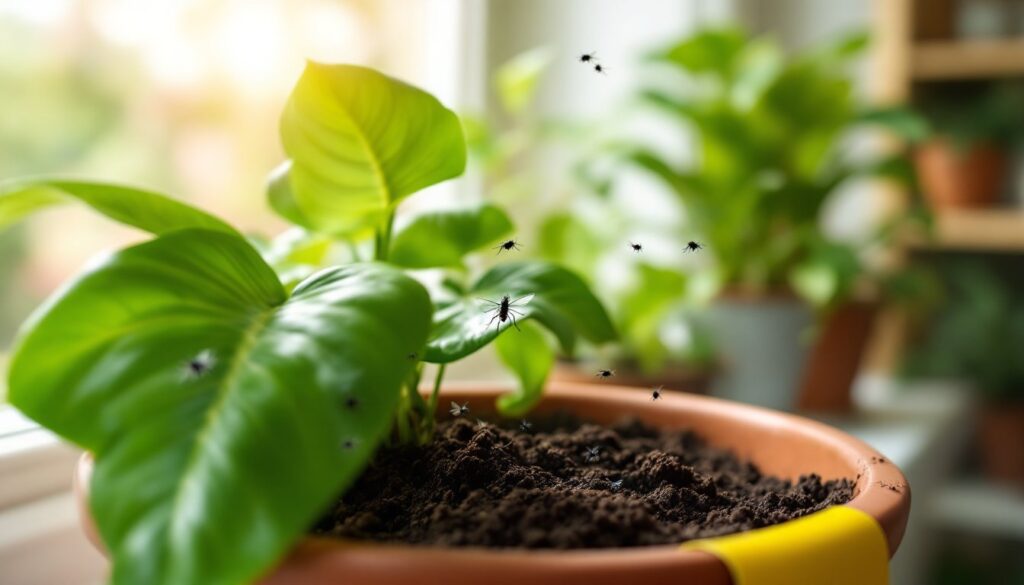
ToggleNothing ruins the joy of indoor gardening faster than spotting a cloud of tiny black flies swarming around your favorite houseplant. Those annoying pests aren’t just a nuisance, they’re fungus gnats, and they’re laying eggs in your potting soil. Left unchecked, they’ll spread to every plant in your home and potentially damage root systems. The good news? They’re manageable once you understand what’s attracting them and how to break their lifecycle. This guide walks through identification, proven elimination methods, and prevention tactics to keep your indoor garden pest-free.
Key Takeaways
- Small black flies on indoor plants are fungus gnats that lay up to 300 eggs in moist soil, with larvae causing root damage if left untreated.
- Overwatering is the primary culprit behind fungus gnat infestations; letting the top 2-3 inches of soil dry completely is the most critical control step.
- Confirm a fungus gnat problem using the potato slice test or yellow sticky traps placed at soil level to catch adults and monitor populations.
- Eliminate infestations with a two-pronged approach: apply Bti (Bacillus thuringiensis israelensis) or hydrogen peroxide to target larvae while using sticky traps for adults.
- Prevent future infestations by mastering your watering schedule, improving soil drainage with perlite or coarse sand, and maintaining good airflow around plants.
What Are Those Tiny Black Flies Around Your Houseplants?
The small black flies hovering near indoor plants are almost always fungus gnats (Bradysia species). Adults measure about 1/8 inch long, with dark bodies, long legs, and clear or smoky wings. They’re weak fliers that typically stay close to soil surfaces and lower leaves.
Fungus gnats resemble fruit flies but have longer legs and darker coloring. Fruit flies tend to hang around kitchens and compost bins, while fungus gnats stick to moist soil. If the flies are near plants and land on soil surfaces, you’re dealing with fungus gnats.
Adult gnats are mostly harmless, they don’t bite and cause minimal direct plant damage. The real problem is their larvae. Female gnats lay up to 300 eggs in the top 2-3 inches of moist potting soil. Within 4-6 days, larvae hatch and feed on organic matter, fungi, and tender root hairs. Heavy infestations can stunt plant growth, especially in seedlings and newly rooted cuttings. The entire lifecycle from egg to adult takes about 3-4 weeks under typical household conditions.
Why Your Indoor Plants Attract Fungus Gnats
Fungus gnats thrive in one condition above all: consistently moist soil. Overwatering is the primary culprit behind most infestations. When soil stays damp for extended periods, it creates the perfect breeding ground for the fungi and organic matter that gnat larvae feed on.
Potting mix composition plays a role too. Mixes high in peat moss, coco coir, or composted bark retain moisture longer and provide more organic material for larvae to consume. Fresh bags of potting soil can also harbor eggs or larvae from the manufacturer or garden center, it’s not a sign you did anything wrong.
Poor drainage makes the problem worse. Containers without drainage holes, compacted soil, or saucers left full of standing water all keep the root zone saturated. Fungus gnats also enter homes through open windows and doors, drawn by the scent of moist soil and decaying plant material. Once one plant is infested, adults quickly spread to other containers.
Humidity levels above 50-60% combined with warm indoor temperatures (65-75°F) accelerate their breeding cycle. That’s why infestations often peak in winter when homes are heated and ventilation is reduced.
How to Confirm You Have a Fungus Gnat Problem
Seeing a few flying adults is the most obvious sign, but you’ll want to confirm larvae are present in the soil. Start by gently disturbing the soil surface near the stem, if small flies immediately take off, that’s your first clue.
For a definitive check, use the potato slice test. Cut a raw potato into 1/4-inch thick slices and place them flat on the soil surface. Cover with a piece of cardboard or foil to keep them dark and moist. Check after 24-48 hours. If you have fungus gnat larvae, you’ll see small, translucent white or grayish worms (about 1/4 inch long) with black head capsules feeding on the potato.
Another method: yellow sticky traps. Place a few near the base of affected plants. Adult fungus gnats are attracted to the bright yellow color and will get stuck. If you catch multiple gnats per trap within a few days, you’ve confirmed an active infestation. According to guidance from garden design experts, sticky traps also help monitor population levels during treatment.
Inspect the plant itself for signs of stress, yellowing lower leaves, wilting even though wet soil, or slowed growth can indicate root damage from larvae. Gently remove the plant from its pot and examine roots. Healthy roots are white or light tan and firm. If larvae have been feeding, you may see dark, mushy spots or a reduction in fine root hairs.
Effective Ways to Get Rid of Black Flies on Houseplants
Eliminating fungus gnats requires a two-pronged approach: killing larvae in the soil and trapping or deterring adults. One method alone won’t solve the problem because you’ll miss part of the lifecycle.
Step 1: Let soil dry out. This is the most critical intervention. Allow the top 2-3 inches of soil to dry completely between waterings. Larvae can’t survive in dry conditions, and fungi they feed on won’t thrive either. Stick your finger into the soil, if it feels damp below the surface, wait another day or two. This won’t harm most established houseplants, which tolerate short dry periods better than constant moisture.
Step 2: Remove standing water. Empty saucers and drip trays after each watering. Don’t let pots sit in water for more than 30 minutes. If drainage is poor, consider repotting into fresh soil with better aeration, add perlite or coarse sand (20-30% by volume) to improve drainage.
Step 3: Deploy yellow sticky traps. Place them at soil level, angled slightly over the pot rim. Adults will get caught before they can lay more eggs. Replace traps weekly or when they’re covered with gnats.
Step 4: Apply a soil drench or surface treatment. Several options work, depending on your preference and severity.
Natural and Chemical Treatment Options
Bacillus thuringiensis israelensis (Bti) is the gold standard for organic control. This naturally occurring bacteria targets gnat larvae (and mosquito larvae) without harming plants, pets, or beneficial insects. Mix Bti granules or liquid concentrate according to package directions and water into the soil. Products like Mosquito Bits or Gnatrol contain Bti. Apply every 5-7 days for 3 weeks to cover multiple generations.
Hydrogen peroxide solution (3% household grade) kills larvae on contact. Mix 1 part peroxide to 4 parts water and use it as a soil drench, allowing it to soak through. The peroxide breaks down into water and oxygen, leaving no residue. It also aerates compacted soil. Repeat every 3-4 days until adults disappear. Note: this can temporarily disrupt beneficial soil microbes.
Diatomaceous earth (DE) is a fine powder made from fossilized algae. Sprinkle a 1/4-inch layer of food-grade DE on the soil surface. When larvae crawl through it, the sharp microscopic edges damage their exoskeletons, causing dehydration. Reapply after watering, as it loses effectiveness when wet. Wear a dust mask when applying, DE is non-toxic but irritating to lungs.
Sand or gravel topdressing creates a physical barrier. Cover soil with 1/2 inch of coarse sand or fine gravel. Adults can’t reach the soil to lay eggs, and emerging adults can’t escape. This works well for tropical houseplants that prefer consistent moisture, as it doesn’t interfere with watering.
Neem oil disrupts insect growth and reproduction but is more effective as a deterrent than a treatment. Mix 1-2 tablespoons per gallon of water with a few drops of dish soap (emulsifier) and apply as a soil drench. Some gardeners prefer it for flowering houseplants to avoid harsher chemicals near blooms.
Pyrethrin-based insecticides offer fast knockdown of adult gnats. Spray foliage and soil surface according to label directions. Effective but requires reapplication and isn’t selective, it’ll harm beneficial insects too. Reserve this for severe infestations that haven’t responded to other methods. Always apply in a well-ventilated area and wear gloves and eye protection.
Combine treatments for best results. Use Bti or hydrogen peroxide to target larvae, sticky traps for adults, and adjust watering habits to remove the root cause. Expect to see results within 2-3 weeks as the existing population dies off and new eggs can’t hatch in drier soil.
Preventing Future Infestations in Your Indoor Garden
Once you’ve cleared an infestation, a few adjustments will keep fungus gnats from returning.
Master your watering schedule. Water only when the top 1-2 inches of soil are dry to the touch. Plants in terracotta pots dry faster than those in plastic or ceramic. Bottom watering, placing pots in a tray of water for 15-20 minutes, hydrates roots without saturating the surface where gnats breed.
Improve soil drainage. When repotting, use a well-draining mix with 20-30% perlite, pumice, or coarse sand. Avoid dense, moisture-retentive mixes for plants prone to overwatering. For vine houseplants that cascade from shelves, ensure pots have drainage holes and aren’t sitting in decorative cachepots filled with water.
Sterilize new potting soil. If you’ve had repeated problems, consider baking fresh potting mix at 180-200°F for 30 minutes to kill eggs and larvae. Spread soil in a shallow pan, cover with foil, and monitor with an oven thermometer. Let it cool completely before using. Alternatively, microwave small batches in a covered container for 90 seconds per pound. According to best practices from home and garden specialists, this extra step prevents reintroducing pests.
Quarantine new plants. Keep new purchases away from your main collection for 2-3 weeks. Inspect soil and foliage for pests during this period. If fungus gnats appear, treat before integrating the plant.
Maintain airflow. Good ventilation helps soil dry evenly and discourages fungal growth. Use a small fan in rooms with many plants, especially in humid climates or during winter when windows stay closed.
Clean up debris. Remove dead leaves, spent flowers, and any organic mulch on soil surfaces. These materials attract gnats and provide food for larvae. Resources from trusted home improvement guides emphasize that sanitation is as important as treatment.
Monitor with sticky traps year-round. Keep a few yellow traps near plants as an early warning system. If you catch even one or two gnats, adjust watering before a full infestation develops.
Conclusion
Fungus gnats are annoying but manageable once you address the moisture conditions they need to thrive. By letting soil dry between waterings, targeting larvae with Bti or hydrogen peroxide, and trapping adults with sticky cards, most infestations clear within a few weeks. Adjust watering habits and improve drainage to keep them from coming back. Your houseplants, and your patience, will thank you.